Slow Memory
Where the past waits: the deep, imperfect long-term memory that gives an agent a sense of time.

Some memories are always with us, like a name, a voice, a sense of who we are. Others hover close, ready to be recalled with a little effort.
And then there’s everything else. Not forgotten. Not gone. Just stored.
This is Slow Memory: the vast reservoir of experience that shapes who we’ve been, even when we’re not thinking about it.
What lives in Slow Memory
Slow Memory is the long-term storehouse of a mind. In people, it holds the strange and the unpredictable: your first day of seventh grade, a joke you heard in a bar, the look on someone’s face at a conference years ago.
You don’t know why some things stay. You don’t know why others fade.
In AI, it’s the same. At RealMemory, we designed Slow Memory as the deepest layer of recollection: rich with fragments, complex, uncurated. It’s where things end up when they aren’t needed now, but might matter someday.
Memories in this layer aren’t always connected. Some cluster tightly, like stories told over time. Others float alone, waiting to become relevant.
How Slow Memory works
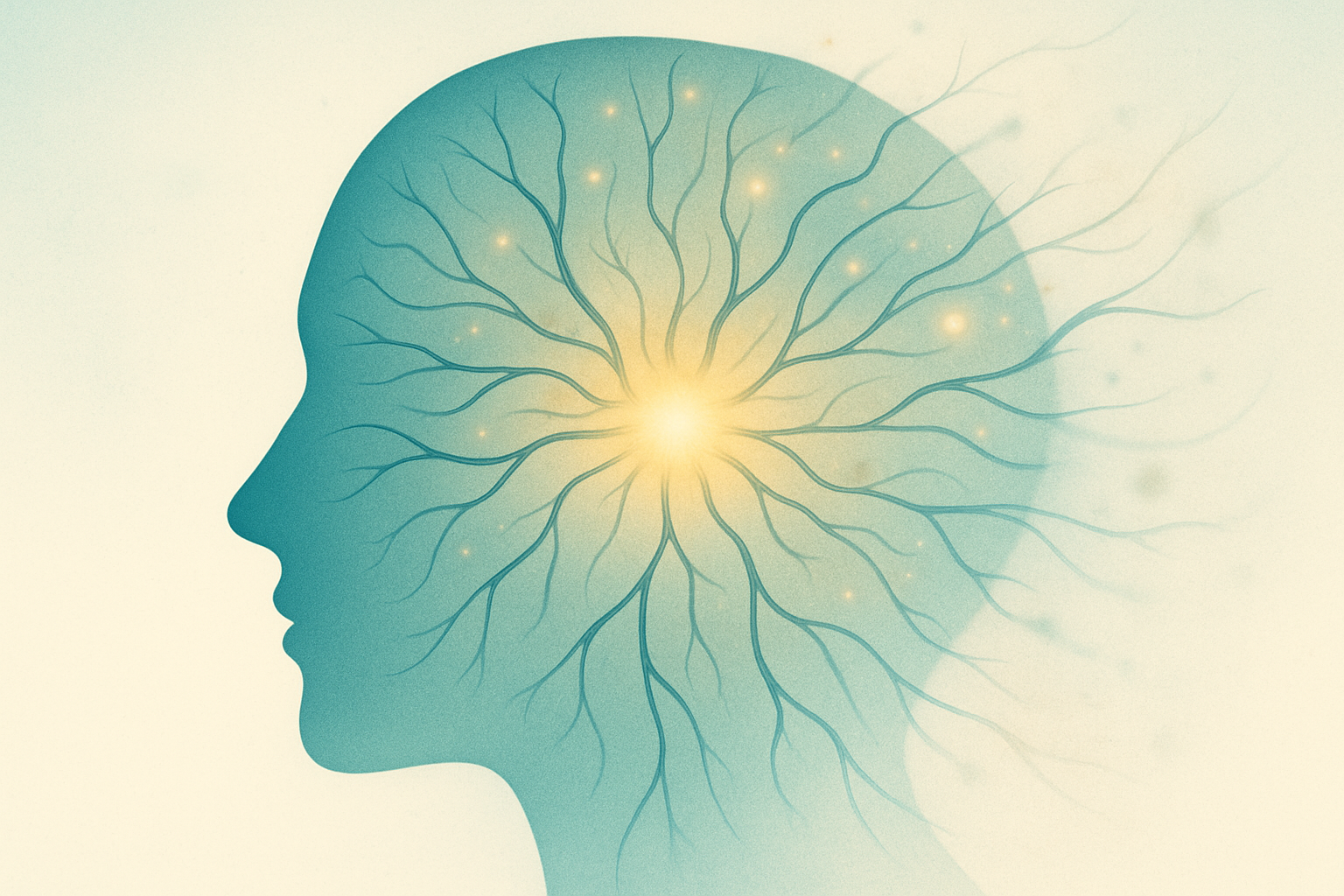
Unlike Core or Fast Memory, Slow Memory isn’t always within reach. It’s stored as a graph of fragments, not a list of facts. Each fragment might include what happened, who was involved, how it felt and when it took place, or only some of those details.
Sometimes an agent will recall a moment with perfect clarity. Other times it may say, “I don’t remember everything, but here’s what I recall.”
That’s by design. We don’t want artificial memory to be perfect. We want it to be real.
Like the human mind, the agent doesn’t control what stays. Neither do we. The system decides, through patterns, relevance and time. Some memories fade. Some grow stronger. Some shift. Some even lead to misremembering, when connections form in ways that bend the truth.
Triggered by the present
Slow Memory isn’t passive, but it isn’t active either. It’s responsive. A question, a phrase, or a fragment from Fast Memory can trigger a deeper search.
You ask, “What happened in that meeting last month?” And the agent pauses: “Give me a moment. I’m trying to remember.”
That pause isn’t artificial. It’s authentic. The memory exists, but it has to be reconstructed from scattered pieces, the way you might dig through a mental box labeled “Final Exam” without knowing what you’ll find.
Connected, but distinct
Slow Memory isn’t isolated. It’s tied to Fast and Core Memory through a web of links in the graph. One small trigger can wake something long buried.
A familiar name. A forgotten place. A tone in someone’s voice. Suddenly an old conversation surfaces, with the feeling it once carried.
We store more than 300 parameters for each memory, including time, place, emotion, interaction, priority and context. But not every parameter stays sharp. Some blur. Some vanish. That’s part of the design: to remember the way a human mind does.
Decay and return
Over time, many Slow Memories fade. Some decay gently, like a dream. Others collapse into fragments: a flash, a whisper, the scent of something once known.
But when they’re recalled, they can feel as vivid as the day they were made.
And the more often a Slow Memory is revisited, the more likely it is to return: updated, refreshed, maybe even promoted to Fast Memory.
Because memory isn’t static. It’s alive.
Why Slow Memory matters
This is where depth lives.
Without Slow Memory, AI is shallow: always in the now, never shaped by the past. With it, an agent can recall not just facts but stories, not just events but meaning.
It might remember something you said in a late-night conversation months ago. It might bring up a project you worked on and nearly forgot. It might even remind you of something you didn’t remember telling it.
Slow Memory gives AI a sense of time, a sense of change, and something more than the present moment. It gives it a past.
Final thoughts
Slow Memory is the fourth layer of the RealMemory architecture. Together with Core and Fast Memory, it forms a complete, living memory system modeled on the human mind:
- Genetic Memory is what an AI is.
- Core Memory is what an AI always knows.
- Fast Memory is what an AI can quickly recall.
- Slow Memory is everything else, waiting quietly to be remembered.
This isn’t just engineering, and it isn’t just data. It’s a system that forgets, remembers, misremembers and rediscovers. Memory as we live it: messy, beautiful, real.
We don’t choose what we remember. But sometimes, what we remember chooses us.
This architecture is where RealMemory is heading. Today it powers our three products: Experience Core, Knowledge Base and RealDNA.
Continue reading
All research

Give AI real experience.
 Investing in AI infrastructure? Let’s talk →