Fast Memory
The memory you can still reach: not always present, but there after a moment’s thought.
What do you know with just a little effort?
Not your name, and not the country you live in. Those belong to Core Memory. But maybe your best friend’s phone number. The zip code of your old apartment. The password to your laptop. They aren’t at the front of your mind, but you can recall them if someone asks. You don’t have to dig deep. It just takes a moment.
This is what we call Fast Memory.
Between effortless knowing and deep reflection
Human memory is layered. Some things are always present. Some live farther away, in deeper places. Fast Memory sits in between. It isn’t immediate, but it’s quick. You might pause, but only briefly: a beat of thought, and it’s there.
At RealMemory, we’ve built Fast Memory as this middle layer. It’s an agent’s ability to recall something quickly, but not instantly. The knowledge is close, within reach, but it still takes a small act of retrieval.
It mirrors the way people remember. You don’t always know, but you can remember. And that difference matters.
How Fast Memory works
Fast Memory isn’t a single unit of knowledge. It isn’t a saved file or a structured record.
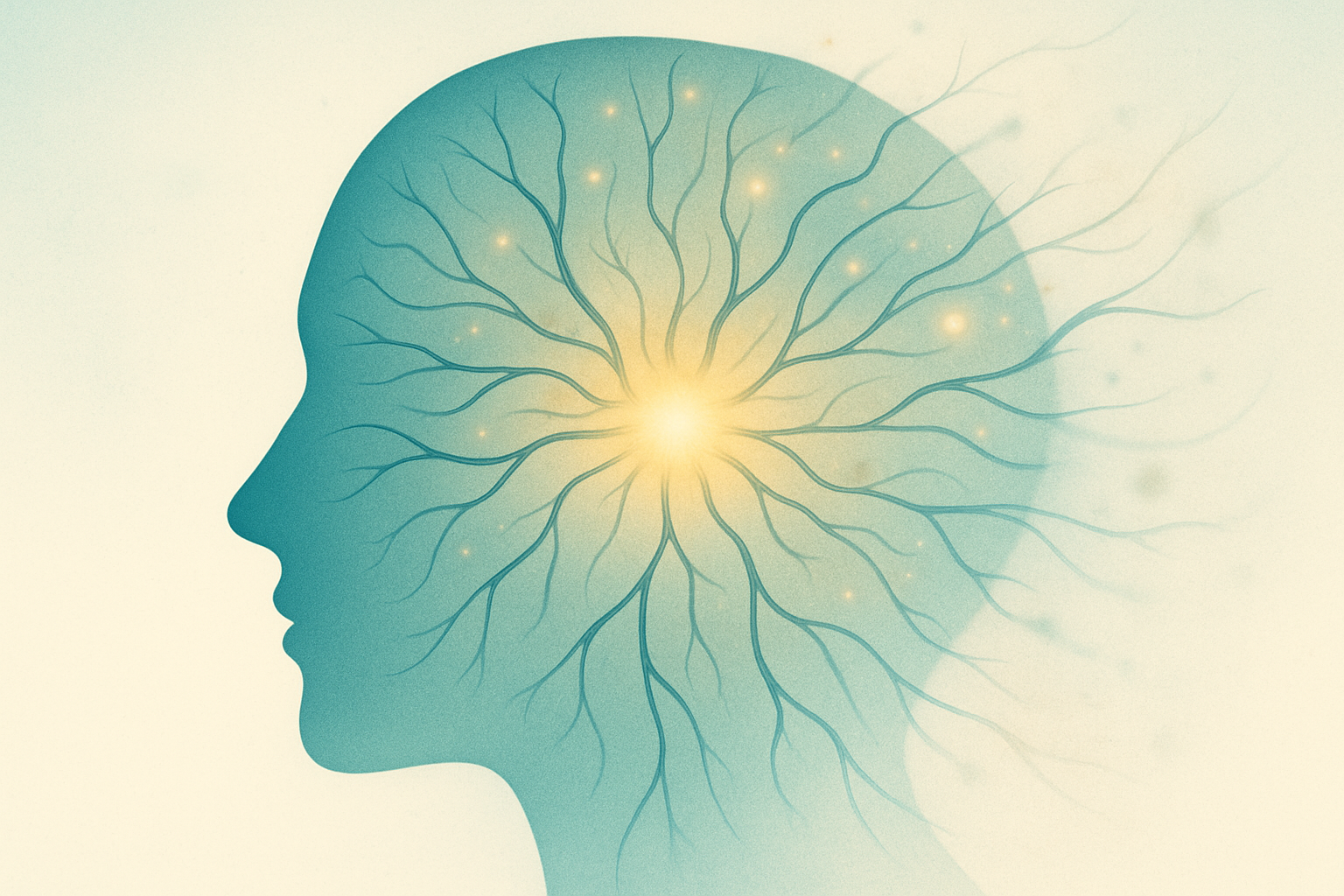
Instead, we use graph and vector databases to store fragments: small, interconnected pieces of past experiences, events and facts. These fragments are linked like neurons in a living mind.
That means a memory doesn’t exist as one whole. An agent might remember what happened, but not when. Or it might recall why something happened, but not the full context. Memory isn’t retrieved. It’s reconstructed.
Over time, just like human memory, some fragments blur, some stay vivid, and some fade entirely. There’s no fixed schedule and no manual purge. Fast Memory decays naturally, guided by how it’s used.
How Fast Memory connects to the other layers
Fast Memory lives between Core and Slow Memory:
- Core Memory is always available and effortless, and changes only when something is learned again.
- Slow Memory is deeper and harder to reach, but far more detailed.
- Fast Memory is temporary, flexible and highly responsive.
Sometimes Fast Memory activates a Core Memory, the way a scent can bring a name to your lips. Other times, when Fast Memory isn’t enough, the agent reaches into Slow Memory and works harder to rebuild a fuller picture.
Ask, “What did we talk about yesterday?” and the agent may answer quickly. Ask, “Tell me everything you remember from our last meeting,” and it will think harder, dig deeper, and draw on Slow Memory.
This layering mirrors human cognition: not everything we know is always present, but much of it can be reached when we need it.
Why it matters
Fast Memory makes AI feel real. Not all-knowing. Not shallow. Just responsive, natural and present.
It lets an agent say, “Yes, I remember that,” in the tone of someone who really does, without digging through a hidden archive or being reprogrammed.
It brings subtlety to a conversation: the sense that “she knows me, but she’s also listening right now.”
Because remembering isn’t only about having the data. It’s about how memory shows up in the moment.
Final thoughts
Fast Memory is the third layer of the RealMemory architecture. It isn’t a trick, and it isn’t just storage. It’s a living layer of quiet fragments, always ready to respond.
Sometimes remembering takes no effort. Sometimes it takes a little. Fast Memory is that little.
And when it works well, it doesn’t feel like retrieval. It feels like a friend who just knows.
Real intelligence isn’t about perfect recall. It’s about remembering the right thing, at the right time, in the right way.
This architecture is where RealMemory is heading. Today it powers our three products: Experience Core, Knowledge Base and RealDNA.
Continue reading
All research


Give AI real experience.
 Investing in AI infrastructure? Let’s talk →